
“We are trying to eradicate energy poverty in communities and make sure everybody has energy, regardless of what they have, we meet them halfway.”
Suzan Paledi
A Pan African Women Empowerment Summit (PAWES) 2025 Finalist Spotlight
Introduction
In this inspiring interview, Joyce Nwezeh engages with Suzan Paledi, one of South Africa’s emerging climate leaders, clean energy innovators, and a Finalist for the PAWES 2025 Awards under the Energy and Mining category.
At just 28 years old, Suzan stands at the intersection of climate justice, innovation, youth advocacy, and community-centered clean energy solutions. She is the founder of Paledi Energy & Innovations, a growing enterprise expanding access to affordable solar solutions across Africa.
Suzan is also a 2× YALI Alumna, a contributor to high-level platforms including SAIIA, Y20 Dialogues, the G20 Social Summit, G20 Energy Forums, and the African Energy Chamber, where she champions youth inclusion, climate justice, and clean energy transitions.
Here, she shares her journey, from the blackout crisis that redirected her path into solar, to her rise as one of Africa’s compelling voices in climate action.
Paledi’s Introduction
Suzan Paledi (South Africa)
My name is Susan. I’m 28 years of age. I’m currently based in Johannesburg, but I’m from Limpopo. I’m in the legal space. I’m completing my LLB, that’s where my passion rises.
I’m a Young African Leadership Initiative (YALI) alumna under the Business and Entrepreneurship program. That’s where the baby in energy and solar started.
South Africa was hit with a blackout, not load shedding, but a complete blackout. During exams, there was no electricity. Load shedding was back to back. At some point, you couldn’t write due to bad connectivity.
When I was in YALI, I chose solar so I could provide an alternative to the problem in my community. I fell in love with it. I ran with it. It’s now a daily operational business.
We are trying to eradicate energy poverty. We are also working with the UK to send us second-hand solar systems for those who cannot afford new ones.
Solar is male-dominated. I fell in love with it because it keeps me on my toes. You need to learn new technology models every month. I love knowing what is happening globally.
I’m also in community services for the Boy Child Movement, helping boys to speak up. We are expanding in Africa, Botswana, Lesotho, South Africa, and hopefully Nigeria soon.
What Inspired Her Career?
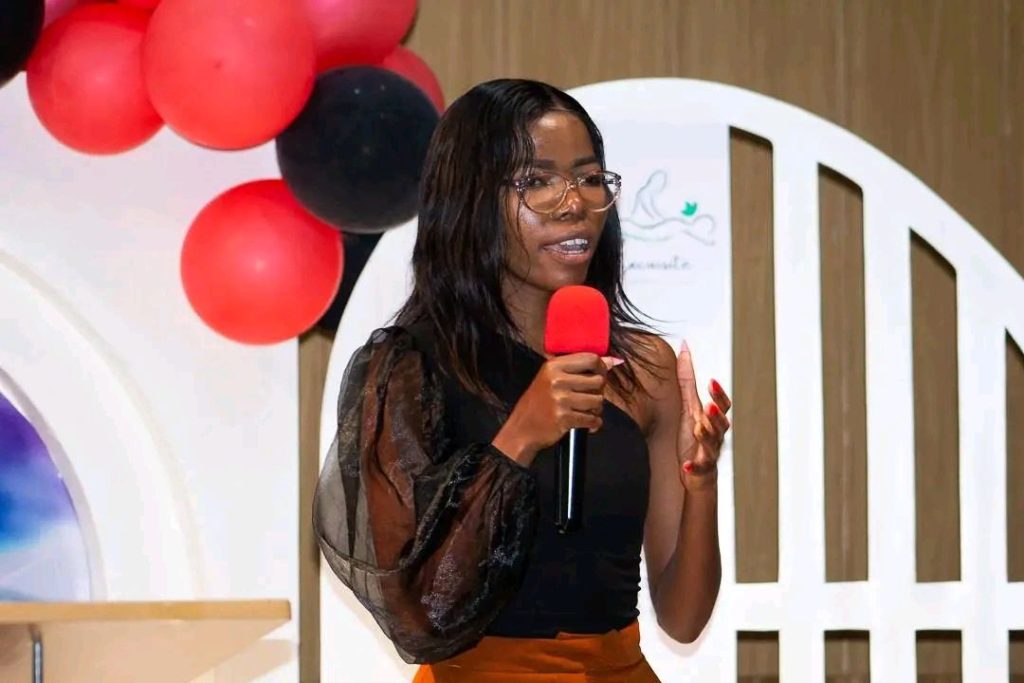
Joyce Nwezeh
What inspired you to pursue a career in this energy sector?
Suzan Paledi (South Africa)
I realized solar and energy is male-dominated. I’m someone who takes calculated risks. Nobody in my community or neighboring communities was in solar, so I said I’ll be the first.
When I researched and found that 80% in the solar industry were white and women were underrepresented, I said, “Let me represent youth and women.” My father supported me. I had people who helped me understand it. That was proof I was on the right track.
Along the journey, platforms like SAIIA, Y20, and the G20 Social Summit strengthened my voice. These spaces exposed me to climate policy, global energy conversations, and why youth inclusion matters. They shaped my commitment to climate justice and community-centered solutions.
Her Contribution and Impact
Joyce Nwezeh
What meaningful contributions or impact have you made, particularly in driving change or uplifting others?
Suzan Paledi (South Africa)
Solar linked me to SDGs. I fell in love with SDGs and teaching my people about climate change, why they must be included in dialogues like Leloko dialogues, where we talk about climate financing and combating climate change. I became an SDG ambassador because of solar.
I also train households and small businesses on solar technologies, energy literacy, and clean cooking. I work on community energy education, helping people understand renewable options.
I volunteer with Afrika4Nuclear, teaching communities about diverse clean energy pathways. Through these platforms, SAIIA, Y20, G20, and others, I participate in conversations that shape just transitions, youth empowerment, and energy equity.
These engagements help me bring global knowledge back to the grassroots.
Using the PAWES Platform
Joyce Nwezeh
If you win the PAWES 2025 award, how would you use the platform to influence others in the energy sector?
Suzan Paledi (South Africa)
Winning will help me drive impact with proof that I’m capable. It will show that youth can lead in energy. I want more youth and women in energy, especially solar, to go green and combat climate change.
I will partner with government to reach out to youth interested in energy. I’ll offer support, mentorship, and training with experienced women. When they grow, they’ll lead with many years of experience.
I’m in my 4th year in the industry. I love everything about it, the challenges and growth. If I win, it gives evidence and motivation for the youth ready to work and lead.
This will also strengthen my work ahead of the Youth Energy Summit in Cape Town in June 2025, where I hope to amplify youth voices even more.
Her Growth Strategy
Joyce Nwezeh
What’s your strategy for growth and minimizing risk in your sector?
Suzan Paledi (South Africa)
Partnership. Working with companies that offer warranties so customers have zero risk. If anything happens within three years, we reinstall. That pushes us to deliver the best.
We partner and collaborate because energy requires teamwork. My partner in Kenya has a platform where we list products so others can access them. We are helping each other to make the energy sector safe, secure, and customer-centered.
Besides solar, I also run a small egg business that employs two people, because sustainable livelihoods must include diverse income streams. Economic empowerment is part of climate justice too.
